 ultimate-guide
Why Professional Brushes Improve Makeup Application
Table of Contents
- What Actually Makes Professional Brushes Different
- How Professional Brushes Improve Makeup Application Across Every Look
- How to Choose the Right Foundation Brush for Your Skin and Finish
- Building an Essential Makeup Brush Set for Beginners
- How to Keep Your Brushes Performing Like New
- Professional Makeup Artist Training Courses: Learn With the Right Tools
- Conclusion
Last updated: August 19, 2026
What Actually Makes Professional Brushes Different
The most common question we hear at Girl Meets Brush is this: "Do the brushes really make that much difference?" The honest answer is yes, and understanding why professional brushes improve makeup application comes down to what they're actually made of and how they're constructed.
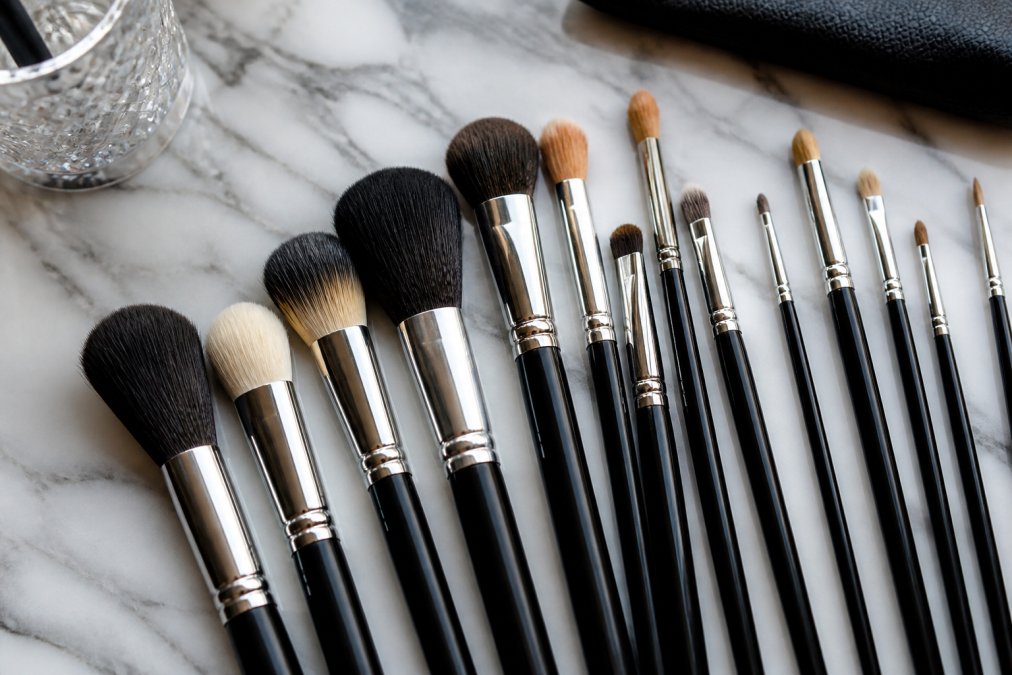
Budget brushes and professional brushes might look similar in a flat lay photo, but pick them up and the difference is immediate. The weight, the softness, the way the bristles hold together, these aren't superficial details. They're the reason a professional can build a seamless foundation in three minutes while the same technique with a cheaper brush takes twice as long and still looks patchy.
Bristle Material: Synthetic vs Natural
Natural bristles are made from animal hair, most commonly squirrel, sable, or goat. The individual hairs have a cuticle structure that grips powder products beautifully, making them the traditional choice for eyeshadow, blush, and setting powder. They blend with a softness that synthetic fibres historically struggled to match.
Synthetic bristles are manufactured from nylon or taklon fibres. Advances in synthetic manufacturing mean today's high-quality synthetic brushes are incredibly soft and perform exceptionally well with cream and liquid products. They're also non-porous, so they don't absorb product the way natural hair can, which means less waste and easier cleaning. Many professional make-up artists now work with predominantly synthetic sets for this reason.
The best professional brush collections offer both, matching the bristle type to the product it's designed to apply. That considered pairing is something you simply won't find in a budget set.
Brush Shape, Density and Ferrule Construction
Shape and density dictate where product lands and how it blends. A flat paddle brush deposits colour in a concentrated area; a fluffy dome brush diffuses it. Density, meaning how tightly the bristles are packed, controls opacity. Dense brushes build coverage; loosely packed brushes sheer things out.
The ferrule is the metal band that holds the bristles to the handle. On professional brushes, the ferrule is crimped tightly and often double-crimped, which prevents shedding and bristle splaying over time. Cheaper brushes use glue alone, which breaks down with regular washing. According to the British Beauty Council's industry insights, tool quality is consistently cited as a primary factor in professional finish outcomes across the beauty industry.
A well-constructed ferrule is genuinely the difference between a brush that lasts years and one that falls apart after a few months of regular use.
How Professional Brushes Improve Makeup Application Across Every Look
Professional brushes improve makeup application not by doing the work for you, but by giving you the control to do it properly. The right brush translates technique into result, without it, even the most skilled application can look unfinished.
Foundation and Base Makeup
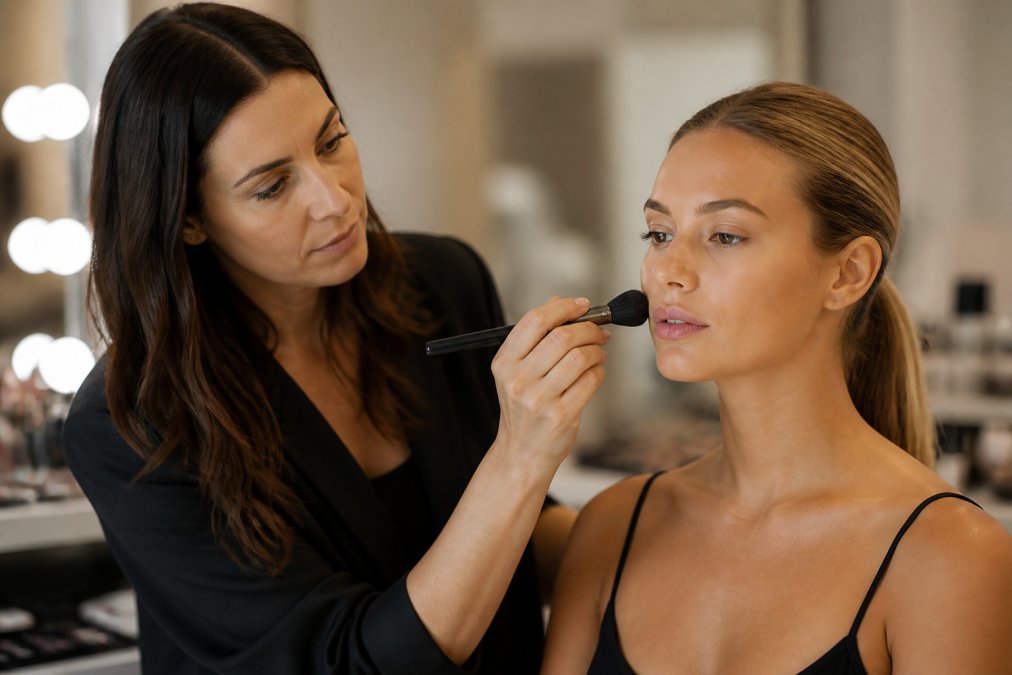
Most people applying foundation at home are using the wrong tool for their formula. A dense, flat foundation brush works brilliantly with full-coverage liquid foundations, buffing product into the skin for a smooth, airbrushed result. A stippling brush, with its duo-fibre construction, sheers out lighter formulas for a more natural, skin-like finish. A damp beauty sponge blurs everything together, but it absorbs a significant amount of product in the process.
The practical difference a professional foundation brush makes is in buildability. You can apply one layer, assess, and add precisely where you need it, rather than moving product around and losing coverage in the areas you've already perfected. For base makeup especially, control is everything.
Eyeshadow, Contouring and Blending
This is where brush quality becomes most obvious. Blending eyeshadow requires a soft, fluffy brush that can diffuse edges without disturbing the colour underneath. A stiff or sparsely bristled brush drags product across the lid, creating harsh lines rather than seamless transitions.
For contouring, a tapered or angled brush deposits product in a defined line that can then be blended out. A flat brush without the right shape spreads contour product too broadly, losing the structure you're trying to create.
As documented in research on cosmetic tool performance by the Society of Cosmetic Scientists, bristle density and shape directly affect pigment distribution and blendability on skin. This is the science behind why technique alone isn't enough, the tool shapes the outcome.
The difference between a muddy, overdone smokey eye and a clean, blended one often comes down entirely to whether the brushes are up to the job.
How to Choose the Right Foundation Brush for Your Skin and Finish
Choosing the right foundation brush means matching three things: your skin type, your preferred finish, and your foundation formula. Get all three right and application becomes genuinely enjoyable rather than frustrating.
Here's a simple framework to guide your decision:
| Skin Type / Finish | Foundation Formula | Best Brush Type |
|---|---|---|
| Oily, full coverage | Liquid or mousse | Dense flat or kabuki brush |
| Dry, natural finish | Serum or light liquid | Stippling or duo-fibre brush |
| Normal, buildable | Any liquid | Buffing brush with dome shape |
| All skin types, powder | Loose or pressed powder | Large fluffy powder brush |
| Combination, medium | Liquid or cushion | Flat foundation brush |
Beyond the chart, a few practical points worth knowing:
- Handle length matters more than people think. A longer handle gives you more control and a better angle, particularly when working on someone else.
- Test the spring of the bristles. Press the brush against your hand and release. Professional brushes spring back to shape immediately. Cheaper ones splay and stay splayed.
- Flat ferrules for flat coverage, rounded ferrules for blending. The ferrule shape influences how the bristles fan out against the skin.
If you're unsure where to start, a dense, dome-shaped synthetic buffing brush is the most versatile foundation brush you can own. It works across formulas, finishes, and skill levels.
Building an Essential Makeup Brush Set for Beginners
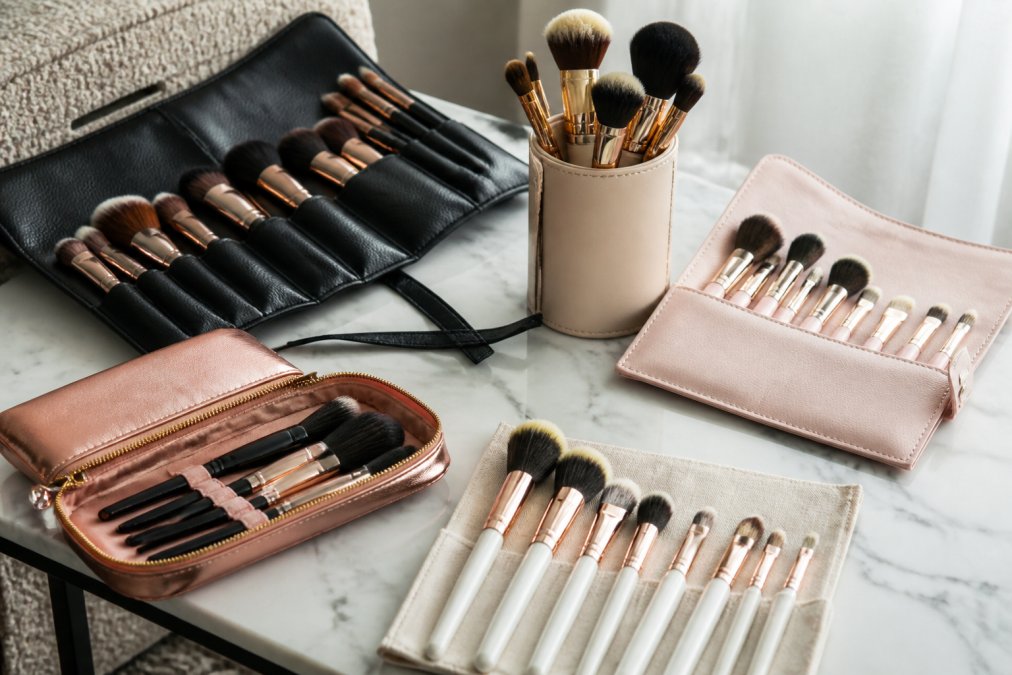
An essential makeup brush set for beginners doesn't need to be enormous. The mistake most people make when starting out is buying a 24-piece set and never learning what half the brushes actually do. A focused, well-chosen set of eight to ten brushes will take you further than a sprawling collection used incorrectly.
According to guidance from the Cosmetic, Toiletry and Perfumery Association, understanding the purpose of each tool is as important as the quality of the tool itself for achieving a professional finish.
Here's what an essential makeup brush set for beginners should include:
- Dense synthetic foundation brush (flat or buffing)
- Concealer brush (small, flat, and precise)
- Large fluffy powder brush (for setting and finishing)
- Angled contour brush (doubles as a blush brush)
- Fluffy blending brush for eyeshadow (the most important eye brush you'll own)
- Flat shader brush for packing colour onto the lid
- Small pencil brush for detail work and lower lash line
- Angled liner brush for brows and liner
That's eight brushes. Eight brushes that, used correctly, can create everything from a clean no-makeup look to a full smokey eye. Start here, learn what each one does, and add to your collection as your skills develop.
How to Keep Your Brushes Performing Like New
Professional brushes are an investment, and cleaning them properly is what protects that investment. Brushes that aren't cleaned regularly perform worse over time: the bristles become stiff with product build-up, they stop blending cleanly, and they can transfer bacteria to the skin.
The basics of brush care are straightforward:
Daily spot cleaning using a quick-dry brush cleaner removes surface product between uses. This is essential if you're working on multiple clients or switching between colours during a session.
Weekly deep cleaning with a gentle brush shampoo or mild soap removes built-up product from the base of the bristles. Work product out from the ferrule downward, never upward, pushing water up into the ferrule loosens the glue and shortens the life of even the best brushes.
Drying flat or bristles-down is non-negotiable. Standing brushes upright to dry lets water pool in the ferrule, which weakens the bond over time. Lay them flat on a clean towel, or use a brush drying rack that holds them bristle-side down.
Reshape bristles while damp and leave to dry fully before using. With proper care, professional brushes can last years, even with daily use.
Professional Makeup Artist Training Courses: Learn With the Right Tools
Knowing which brushes to buy is one thing. Knowing how to use them with genuine skill and confidence is another entirely. This is where professional makeup artist training courses make the real difference, and it's something Girl Meets Brush takes seriously.
Founded by celebrity make-up artist Lynne Mills, whose work has been featured in Vogue, Elle, Harper's Bazaar, and Glamour, Girl Meets Brush offers an online Make-Up Academy designed for every level. Whether you're picking up a brush for the first time, working your way through beauty school, or you're already a working make-up artist looking to refresh your technique and build confidence, there's a course built for where you are right now.
What sets the Girl Meets Brush training apart is that the brushes are included as part of the courses. You're not left to source your own tools and hope they're right for what you're learning. You learn with the tools that the techniques are designed around, which makes the whole process faster and more intuitive.
For those already in the industry, the courses offer a genuine opportunity to revisit foundations, explore new techniques, and approach client work with renewed confidence. For those just starting out, having access to both the training and the tools in one place removes one of the biggest barriers to getting started.
As noted by the UK's Creative Skillset training standards for beauty professionals, structured, tool-integrated training consistently produces better practical outcomes than self-directed learning alone.
The connection between learning and the right equipment isn't incidental. It's central to how skill actually develops.
Conclusion
Choosing the right brushes genuinely changes what's possible with your makeup, whether you're doing a quick everyday look or building a full client portfolio.
Girl Meets Brush was created to give everyone, from total beginners to working professionals, access to the tools and training that actually make a difference. With brushes designed for precision by celebrity make-up artist Lynne Mills, and an online Make-Up Academy where the brushes come as part of the course, you get everything you need in one place.
Visit Our Shop Here and find the brush set or training course that fits where you are right now.
Frequently Asked Questions
Do professional makeup brushes really make a difference?
Yes, genuinely. Professional brushes are built with higher-quality bristles, precise shapes and sturdier ferrules that control exactly how much product reaches your skin and where it lands. That means smoother blending, more even coverage and less product waste. Whether you're doing your own makeup at home or working on clients, the difference in finish is noticeable from the very first use.
Are expensive makeup brushes worth the investment?
For most people, yes. A well-made professional brush lasts years with proper care, so the cost per use works out far lower than replacing cheaper brushes every few months. You also spend less product, because quality bristles pick up and deposit formula efficiently rather than absorbing it. For professionals working on clients daily, durability and consistent performance make the investment straightforward.
How often should I clean my professional makeup brushes?
Brushes used on clients should be cleaned between every appointment using a brush cleanser that dries quickly. For personal use, aim to deep-clean your brushes at least once a week if you use them daily. Foundation and concealer brushes need cleaning most frequently as they hold the most product. Regular cleaning keeps bristles soft, prevents bacteria build-up and helps brushes maintain their shape and performance.
How do I choose the right makeup brushes for my skill level?
Start with a small, versatile set covering the basics: a foundation brush, a powder brush, a blending brush and a brow brush. As your confidence grows, add specialist tools like a fan brush or a flat shader. If you're working through a professional makeup artist training course, your course may include brushes matched to the techniques you're learning, which takes the guesswork out of choosing.
This article was written using GrandRanker