 ultimate-guide
Is Makeup Academy Training Worth It? A Realistic 2026 Guide
Table of Contents
- What Makeup Academy Training Actually Covers
- The Makeup Artist Career Path: What You Can Realistically Expect
- Makeup Artist Course Duration: How Long Does Training Really Take?
- Essential Makeup Artist Tools and Why Quality Matters
- Pros and Cons of Makeup Academy Training
- How to Choose the Right Makeup Academy for Your Goals
- Is Makeup Academy Training Worth It? The Verdict
Last Updated: August 23, 2026
What Makeup Academy Training Actually Covers
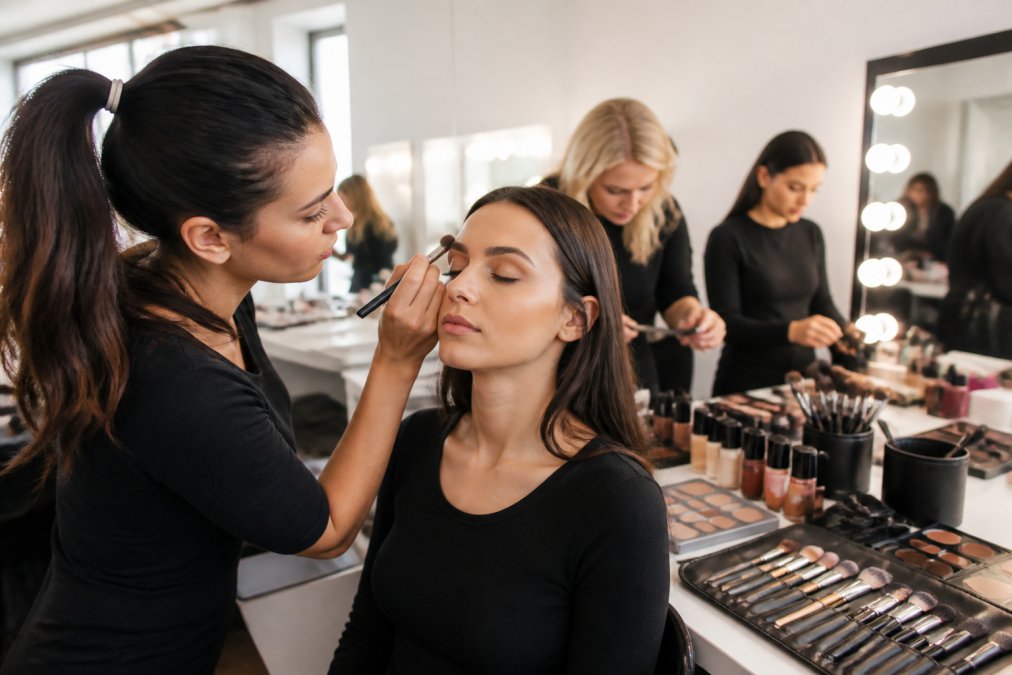
Makeup academy training isn't just about learning to apply eyeshadow. A comprehensive makeup academy training programme typically covers colour theory, skin anatomy, product knowledge, client consultation techniques, and hands-on application across multiple makeup styles, from everyday looks to special effects and bridal work.
Most programmes include modules on hygiene and sanitation (critical for working with clients), business fundamentals like pricing and marketing, and portfolio development. You'll learn how different products interact with various skin types, how to troubleshoot common application problems, and how to adapt techniques for different face shapes and features.
The curriculum often spans foundational skills (brush techniques, blending, contouring) through to advanced specialisations. Some academies include training on airbrush makeup, theatrical makeup, or editorial looks. The depth varies significantly between programmes, some are intensive bootcamps lasting weeks, others are part-time courses spread over months.
What separates a solid makeup academy training from a basic course is the emphasis on why techniques work, not just how to execute them. Understanding skin undertones, light reflection, and facial proportions transforms you from someone who can apply makeup to someone who can create custom looks for different clients.
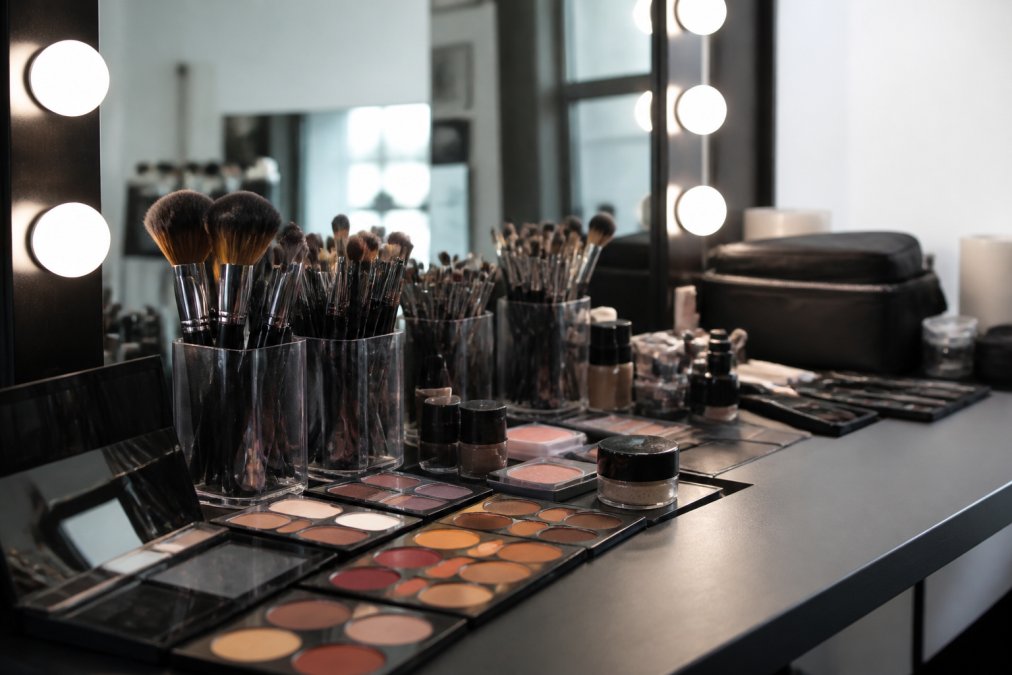
The Makeup Artist Career Path: What You Can Realistically Expect
Here's where makeup academy training meets reality. Completing a course doesn't automatically lead to bookings, it gives you the foundation to build a career. The actual trajectory depends on your hustle, location, and how you position yourself.
Most makeup artists start by building a portfolio through friends, family, and discounted or free work. This isn't glamorous, but it's necessary. You need before-and-after photos and client testimonials to attract paying work. The makeup artist career path typically involves starting with bridal makeup, event makeup, or retail counter work whilst building your portfolio.
Social media presence matters more than you'd expect. Makeup artists who post regularly, show their work, and engage with followers tend to book clients faster. Instagram, TikTok, and Pinterest are where potential clients discover makeup artists. Your online presence often determines whether you get inquiries or remain invisible.
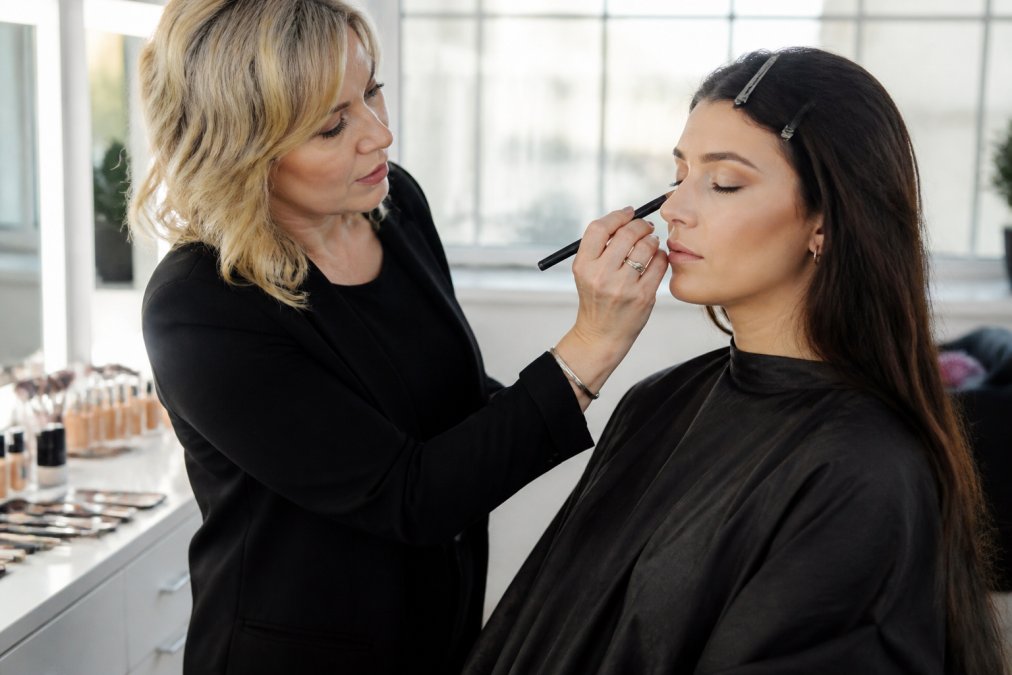
Income varies dramatically. Entry-level makeup artists might charge for basic makeup application. Experienced professionals doing bridal or editorial work command higher rates per booking. Building to consistent, well-paying work typically takes 1-3 years of consistent effort, networking, and skill refinement (peer-reviewed research).
The makeup artist career path also includes deciding your niche. Some specialise in bridal, others in theatrical makeup, special effects, or editorial work. Choosing a specialism early helps you stand out and command higher rates than generalists.
Makeup Artist Course Duration: How Long Does Training Really Take?
Makeup academy training programmes range from intensive 8-week bootcamps to part-time courses spanning 6-12 months (peer-reviewed research). The duration affects both cost and depth of learning. Shorter programmes focus on essential skills; longer ones allow time for specialisation and portfolio building within the course structure.
Intensive full-time programmes (8-12 weeks) suit people who can commit to daily classes and want to enter the field quickly. Part-time programmes (3-6 months, usually 2-3 days per week) work better for people balancing other commitments. Some academies offer flexible schedules or online components.
Here's the important bit: the makeup artist course duration listed on a website is only the formal training time. Real skill development continues for months afterwards. Most makeup artists spend 6-12 months after completing formal makeup academy training before they feel confident taking on paid client work (peer-reviewed research).
The timeline also depends on your starting point. If you've never worn makeup, you'll need longer to develop muscle memory and intuition. If you're already comfortable with application, you'll progress faster through the technical modules.
Essential Makeup Artist Tools and Why Quality Matters
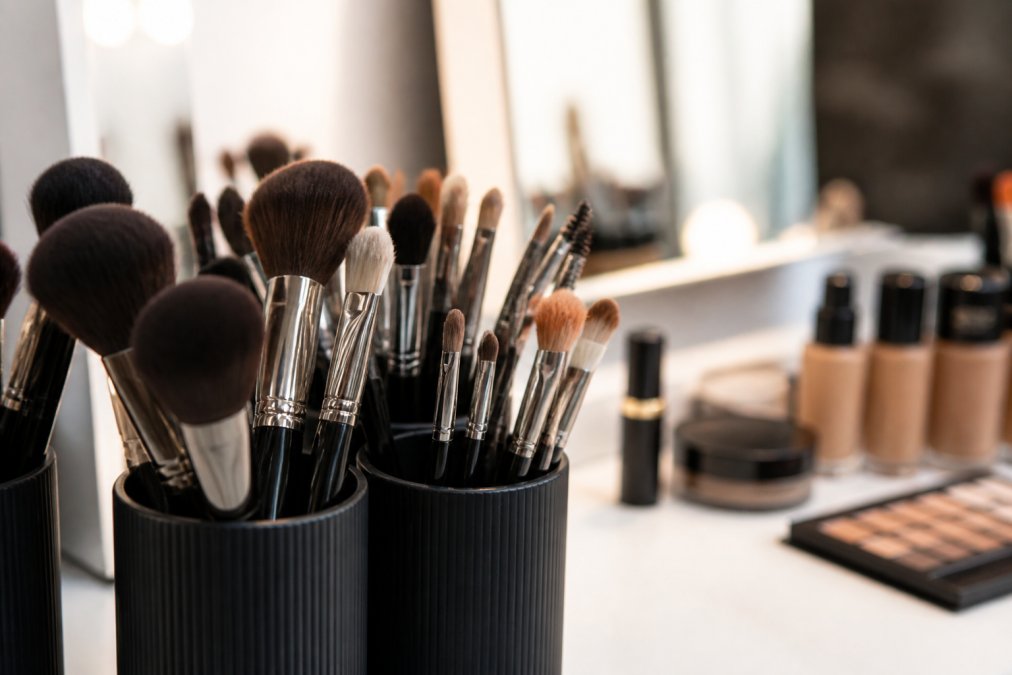
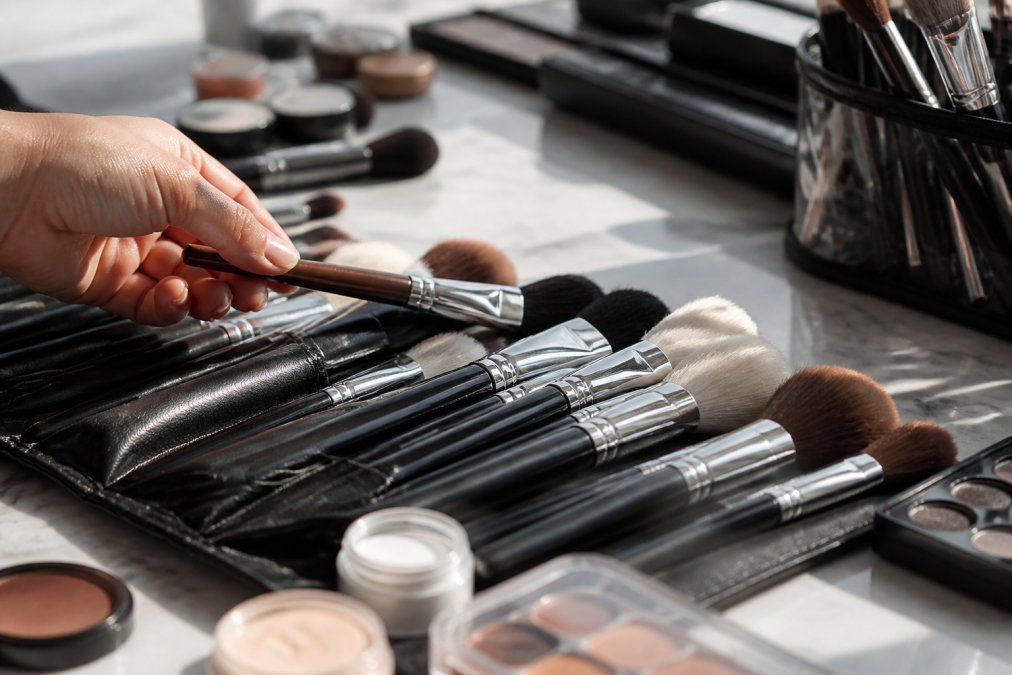
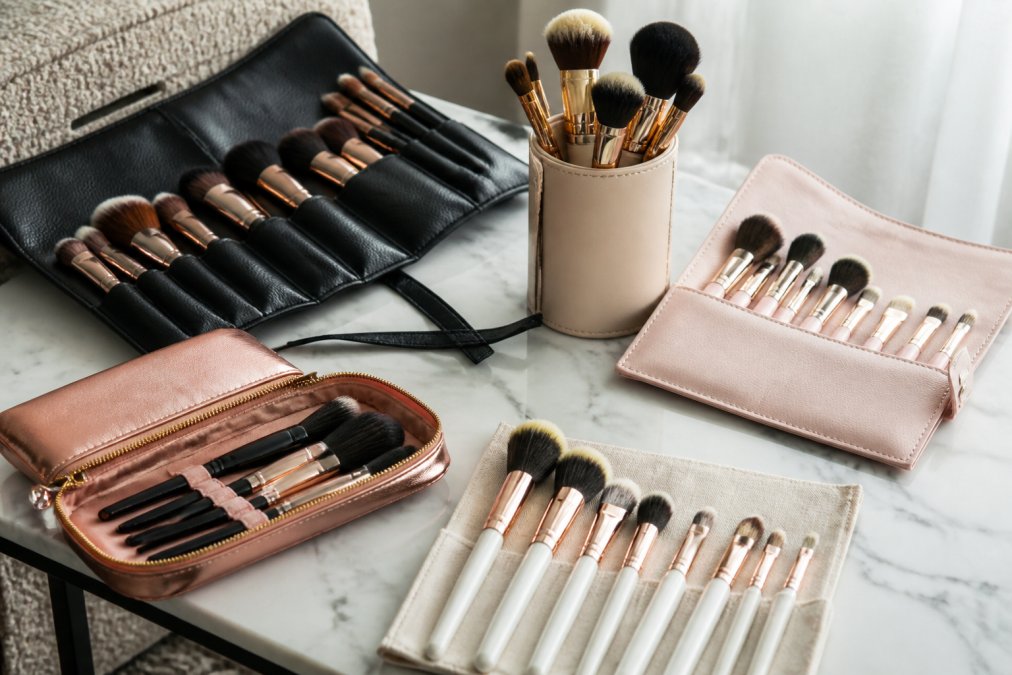
You can't create professional results with budget brushes and low-quality products. Essential makeup artist tools include brushes for foundation, powder, blending, contouring, and highlighting. You'll also need colour-correcting products, primers, foundations in multiple shades, and a range of eyeshadows and pigments.
Quality matters because cheap brushes shed, don't blend properly, and make application frustrating. Professional-grade brushes hold product better, distribute it evenly, and last longer. The same applies to makeup products, lower-quality foundations separate on skin, powders look patchy, and eyeshadows don't blend smoothly.
When you're learning makeup academy training techniques, using proper tools lets you focus on skill rather than fighting with substandard equipment. A good blending brush makes the difference between a muddy eyeshadow look and a polished one. Quality foundations make contouring look seamless instead of obvious.
Building a professional kit costs more upfront, but it pays dividends in client satisfaction and longevity. Clients notice when their makeup looks professional and lasts all day. Poor tools make even skilled application look amateur.
Girl Meets Brush offers professional-grade brushes and tools designed for both learning and professional work. Whether you're working through makeup academy training or building your professional kit, investing in quality tools accelerates your skill development and client results.
Pros and Cons of Makeup Academy Training
Pros:
Structured learning beats random YouTube tutorials. You get guidance from experienced instructors, feedback on your technique, and a curriculum designed to build skills progressively. You'll learn things you didn't know to search for, colour theory, skin anatomy, sanitation protocols, that separate amateurs from professionals.
Makeup academy training provides networking opportunities. You meet other aspiring makeup artists, potential collaborators, and sometimes instructors with industry connections. These relationships often lead to job opportunities, referrals, and collaborative projects.
A formal qualification or certificate adds credibility. Clients trust makeup artists who've completed professional training more than self-taught artists. It's especially valuable when competing for bridal bookings or salon positions.
Portfolio building is often built into the course. Many academies include projects and assignments that contribute directly to your professional portfolio. You finish with actual work samples ready to show potential clients.
Cons:
The cost is significant. Makeup academy training programmes typically range from several hundred to several thousand pounds, depending on length and intensity. That's a substantial investment before you've earned your first pound as a makeup artist.
There's no guarantee of employment. Completing makeup academy training doesn't mean clients will book you. You still need to market yourself, build a following, and hustle for work. The course teaches technique, not necessarily how to run a successful business.
Quality varies dramatically between academies. Some are genuinely excellent; others are overpriced and under-resourced. You need to research thoroughly, look at graduate portfolios, read reviews, and understand what's included before committing.
Time commitment is real. Even part-time programmes require significant hours. If you're working full-time whilst studying, you'll feel stretched. Intensive programmes demand full-time focus for weeks or months.
The skills plateau quickly after formal training ends. You'll spend 6-12 months after completing makeup academy training before you feel truly confident. That post-course period is where real mastery develops, and it requires consistent practice and client work.
How to Choose the Right Makeup Academy for Your Goals
Start by clarifying what you actually want. Are you training to become a professional makeup artist, or improving your personal application skills? Do you want to specialise in bridal, editorial, theatrical, or general makeup? Your goals determine which makeup academy training programme fits.
Research graduate portfolios. The best indicator of a school's quality is what its graduates produce. Look at before-and-after photos, client testimonials, and where graduates are working. If graduates' portfolios don't impress you, the academy won't either.
Check instructor credentials. Who's teaching? Are they working professionals or people who trained years ago? Instructors actively working in the industry bring current techniques and real-world perspective. Ask about their experience and portfolio.
Understand what's included. Some makeup academy training programmes include product kits; others require you to purchase your own. Some offer job placement support; others don't. Some include business training; others focus purely on technique. Know exactly what you're paying for.
Visit if possible. A good academy welcomes prospective students to observe a class or meet instructors. You'll get a feel for the environment, teaching style, and student experience. Red flags include disorganised classes, dismissive staff, or outdated facilities.
Ask about ongoing support. Does the academy help with portfolio development after you finish? Do they offer job boards or placement assistance? Do graduates have access to alumni networks? Ongoing support matters more than you'd think.
Consider the schedule realistically. Can you commit to the programme's pace? Will you have time to practice between classes? Be honest about your capacity. A programme you can't complete is worthless, no matter how good it is.
Read recent reviews from actual graduates. Look beyond the academy's website testimonials. Search for independent reviews on course platforms, beauty forums, and social media. Ask if you can contact recent graduates directly.
Compare cost against what's included. Cheaper isn't always better, and expensive doesn't guarantee quality. Understand exactly what you're paying for, hours of instruction, product kits, facilities, ongoing support, and whether that represents good value.
Is Makeup Academy Training Worth It? The Verdict
Makeup academy training is worth it if you're genuinely committed to becoming a professional makeup artist. The structured learning, instructor feedback, and portfolio development accelerate your progress compared to self-teaching. You'll develop skills faster, avoid common mistakes, and have credentials that matter to clients.
It's worth it if you're willing to put in the work after the course ends. Completing makeup academy training is the beginning, not the finish line. You'll spend months building your portfolio, marketing yourself, and refining your craft. If you're prepared for that reality, the investment pays off.
It's less essential if you're training purely for personal use or hobby-level makeup application. YouTube tutorials, practice, and good-quality tools can get you to a competent level without formal training. The return on investment drops significantly if you're not building a career.
The honest answer: makeup academy training is worth it for serious aspiring professionals, less critical for hobbyists. The key is choosing the right programme for your goals, committing to the learning process, and understanding that the course is a foundation, not a finish line.
Your makeup academy training investment pays dividends through faster skill development, professional credibility, and a structured path forward. Combined with quality tools, like those from Girl Meets Brush, and consistent practice, formal training gives you the best foundation for a successful makeup artistry career.
Frequently Asked Questions
Q: Do you need a qualification to be a professional makeup artist?
A: Legally, no, the UK doesn't require formal qualifications to work as a makeup artist. However, professional-level training from a reputable makeup academy significantly boosts your credibility with clients and employers. Many salons, bridal studios, and agencies prefer or require candidates to have completed formal training. A recognised qualification also helps you build a portfolio and understand industry standards for hygiene, colour theory, and technique that self-taught artists often miss.
Q: What are the benefits of attending a professional makeup academy?
A: Structured training accelerates your skill development far faster than learning alone. You'll gain hands-on experience with professional techniques, learn business basics like client consultation and pricing, build a portfolio with real clients or models, and gain industry connections. Many academies also teach essential makeup artist tools and how to use them correctly, plus professional standards for sanitation and client safety. You'll finish with a recognised qualification that opens doors to employment or freelance opportunities.
Q: Can you become a successful makeup artist without formal training?
A: Yes, but it's considerably harder. Self-taught artists can build skills through practice, YouTube tutorials, and experience, but they often lack the structured foundation that formal training provides. Without academy training, you'll miss industry standards, struggle to troubleshoot problems, and find it difficult to get hired by salons or agencies that require qualifications. Many successful artists today started with formal training because it compressed years of trial-and-error into months of focused learning.
Q: Is online makeup training as effective as in-person classes?
A: Online training can be effective for theory, technique videos, and self-paced learning, but it has limitations. You miss hands-on practice with an instructor watching your technique in real time, immediate feedback on blending or colour matching, and the chance to work on diverse face shapes and skin tones. The best approach is often hybrid: online theory plus in-person practical sessions. Check whether any academy you're considering offers this blend, as it balances flexibility with the hands-on practice that truly develops your skills.
Ready to start your makeup artistry journey? Girl Meets Brush offers professional-grade brushes and an online makeup academy to support your learning. Explore our shop and training programmes to find the tools and guidance that match your goals.
This article was written using GrandRanker