 ultimate-guide
Essential Brushes for Professional Makeup Kit
Table of Contents
- Why Essential Brushes Matter for Professional Makeup
- The Core Brushes Every Professional Makeup Kit Needs
- Synthetic vs Natural Hair Makeup Brushes: Which Should You Choose
- Selecting the Best Foundation Brush for a Flawless Finish
- How to Clean Makeup Brushes Professionally
- Quality Indicators: What to Look for When Investing in Brushes
- Building Your Professional Kit: A Practical Approach
- Conclusion
Last Updated: 30 August 2026
Why Essential Brushes Matter for Professional Makeup
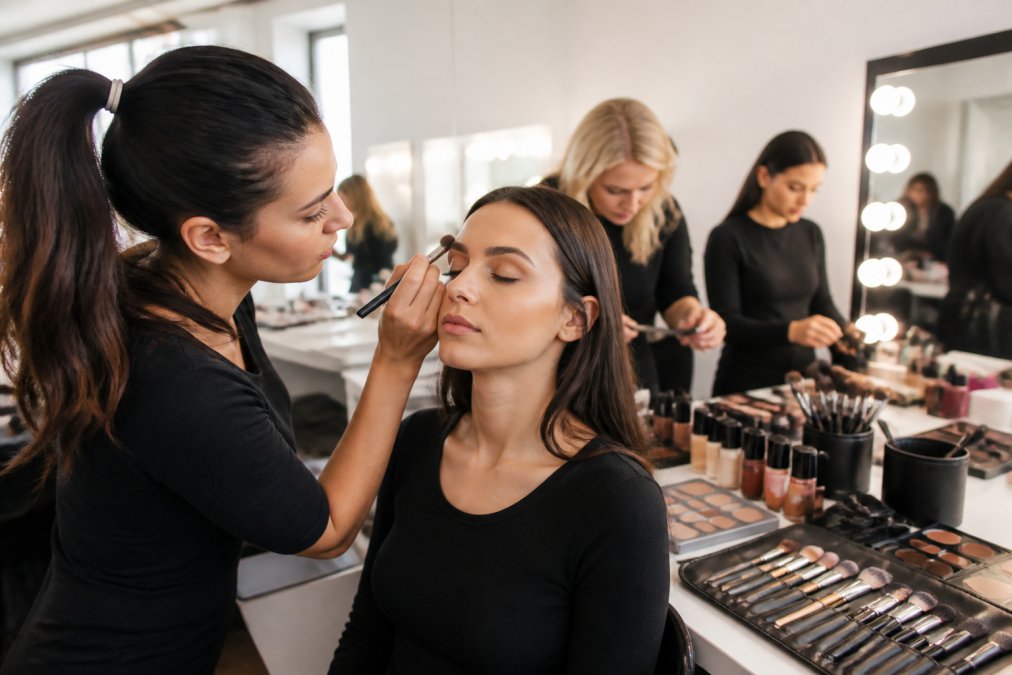
The difference between a polished, professional finish and a patchy, uneven look often comes down to one thing: your brushes. A good brush is the bridge between your vision and the canvas. When working on clients or perfecting your own makeup, the wrong brushes sabotage even your best technique.
At Girl Meets Brush, we understand that essential brushes for professional makeup kit work aren't optional extras, they're foundational. Whether you're building your first professional kit or upgrading from high-street basics, investing in quality brushes transforms how you apply colour, blend seamlessly, and create precision details.
Professionals swear by their brush collections because of results. The right brush picks up the right amount of product, distributes it evenly, and lets you control everything from subtle blending to bold definition. Without them, you're fighting against your own tools.
This guide walks you through every brush category you'll need, how to choose between synthetic and natural hair, what separates quality from mediocre, and how to maintain your kit. By the end, you'll know exactly which brushes deserve space in your professional kit and why.
The Core Brushes Every Professional Makeup Kit Needs
Building a functional professional kit means choosing the right brushes for the techniques you'll actually use. A lean, thoughtfully curated collection outperforms a bloated one filled with redundant tools.
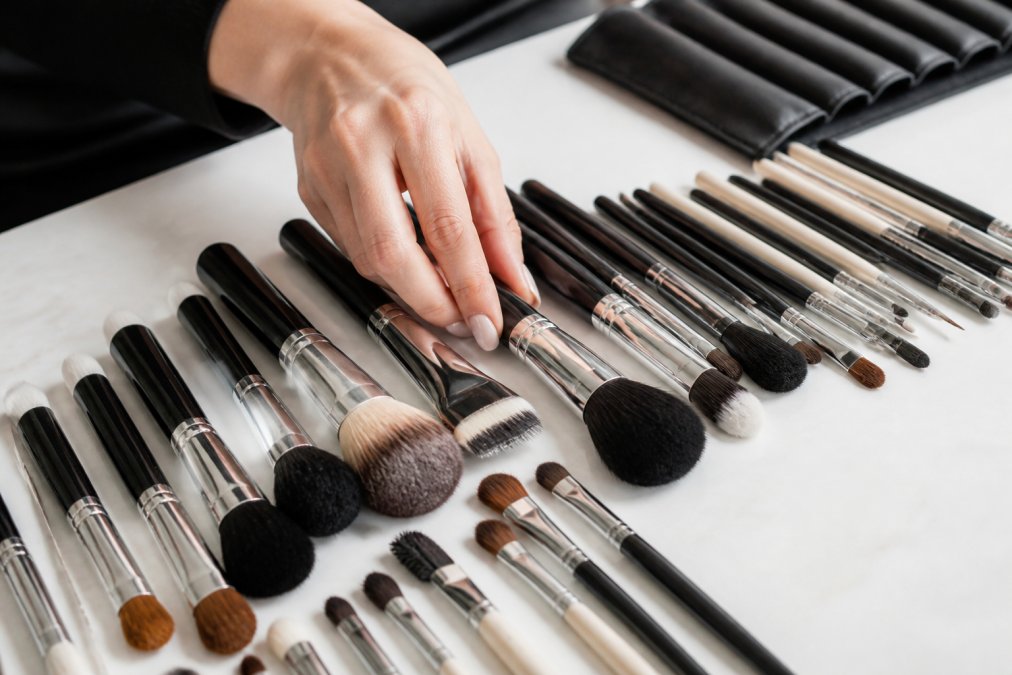
Foundation and Base Brushes
Your foundation brush is the workhorse of your kit. It determines how smoothly base product applies, how well it blends into the skin, and whether you end up with streaky coverage or a seamless finish.
The flat-top kabuki brush is the most versatile choice for foundation application. Its dense, compact shape lets you stipple product onto the skin with precision, building coverage exactly where you need it. The stippling motion, pressing rather than dragging, creates a flawless base without disturbing the skin's texture and uses less product than traditional buffing.
A large powder brush serves double duty: setting foundation and applying powder contour. Look for one with a tapered, domed shape that applies product diffusely without harsh lines. Many professionals keep two powder brushes, one for setting powder and one for bronzer or powder contour.
Powder and Blending Brushes
Blending is where brushes truly earn their place in your kit. A poor blending brush leaves visible edges; a good one makes shadows disappear into the skin seamlessly.
The fluffy blending brush, typically dome-shaped with soft, tapered bristles, is non-negotiable. Quality matters here, a cheap blending brush feels scratchy and deposits product unevenly, whilst a quality one glides across the eyelid, creating a soft gradient. Many artists keep two blending brushes: a larger one for general blending and a smaller, tapered one for precise crease work.
A flat shader brush is essential for precise eyeshadow placement. Unlike a fluffy brush, it packs colour onto a specific area without diffusing it immediately.
Eye and Detail Brushes
Detail work separates amateur makeup from professional makeup. A small, dense pencil brush is your precision tool for deepening the outer corner, lining the upper lash line, or applying darker shadow to the inner corner. A thin, tapered brush works for eyeliner application, either cream liner or shadow used as liner. An angled brush is useful for eyeshadow placement and creating definition along the eye's natural contours.
Lip and Brow Brushes
A quality lip brush makes a visible difference in precision and product application. A small, dense, flat brush lets you apply lip colour with clean edges and full coverage. For brows, an angled brush naturally follows hair growth direction, letting you fill in brows with precision. Many professionals also keep a spoolie brush for grooming brows before and after application.
Synthetic vs Natural Hair Makeup Brushes: Which Should You Choose
This decision affects durability, how product feels in your hand, and ethical considerations.
Natural hair brushes (typically made from goat, sable, or squirrel hair) pick up powder products beautifully, blend seamlessly, and feel luxurious. The downsides: they're more expensive, require careful cleaning, and don't perform as well with liquid or cream products.
Synthetic brushes (usually nylon or taklon fibres) have improved dramatically. Quality synthetic brushes now perform comparably to natural hair for most applications, particularly with powder products. They're more durable, easier to clean, and significantly more affordable. They excel with liquid and cream products because they don't absorb product the way natural hair does, giving you better control and less waste.
Many professional kits now blend both: natural hair for powder application and blending, synthetic for cream and liquid products. If you're building your first professional kit, starting with quality synthetic brushes and adding natural hair pieces as your budget allows makes sense.
Selecting the Best Foundation Brush for a Flawless Finish
Your foundation brush directly affects how clients see themselves in the mirror. The best foundation brush for a flawless finish depends on your foundation formula and preferred application method. Liquid and cream foundations work best with a flat-top kabuki or dense, tapered brush that allows stippling motion. Powder foundations pair well with a large, fluffy brush that distributes product evenly.
Density matters enormously. A brush that's too sparse won't hold enough product; one that's too dense becomes difficult to blend smoothly. The sweet spot is dense enough to pick up adequate product but tapered enough to blend edges seamlessly.
Size also affects your workflow. Most professionals find a medium-sized flat-top kabuki (roughly 3.8 to 5 centimetres across) offers the best balance between coverage and control. The handle should feel balanced and comfortable during 20-30 minutes of application without causing hand fatigue.
Test the brush on your own skin before committing to a full kit. How it feels in your hand, how much control you have, and how the finish looks matter more than brand reputation or price point.
How to Clean Makeup Brushes Professionally
Brush maintenance determines how long your kit lasts and how well it performs. Dirty brushes harbour bacteria, compromise colour accuracy, and deteriorate faster.
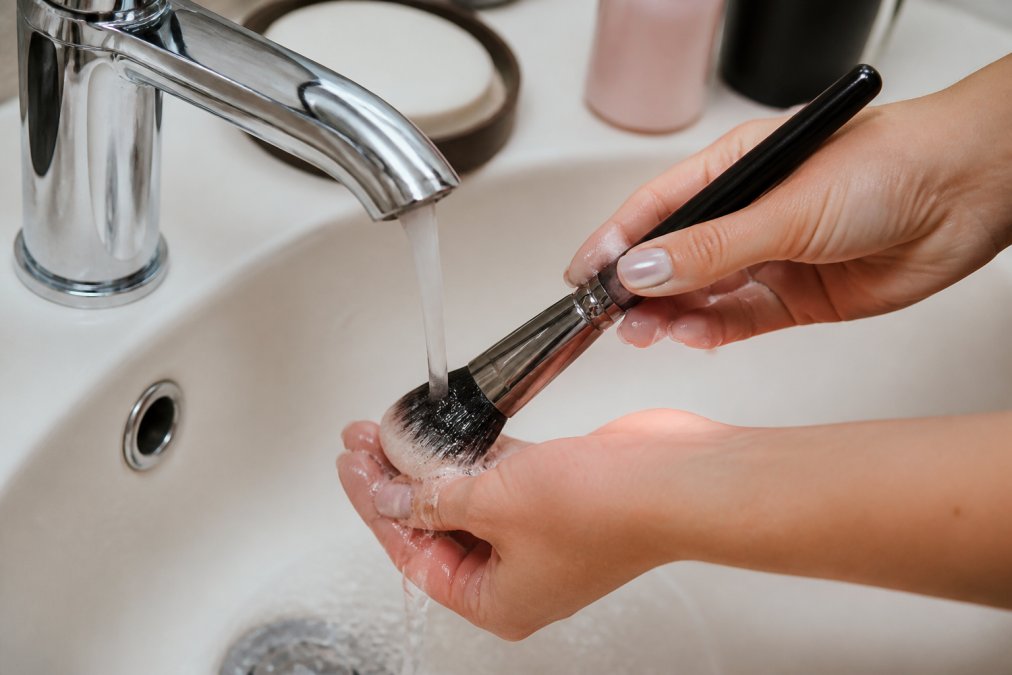
Professional brush cleaning requires a system. Most professionals clean brushes used on clients immediately after use, and personal brushes weekly or every other week depending on frequency of use.
Start with a brush cleanser or gentle shampoo. Specialised brush cleansers are worth the investment, they're formulated to remove product without stripping bristles of their natural oils. Wet the bristles under lukewarm water, apply cleanser directly to the bristles, and work it through with your fingers. Rinse thoroughly until the water runs clear, usually 2-3 rinses. Squeeze gently to remove excess water, never wring the bristles.
For stubborn product buildup, soak the brush in cleanser and water for 5-10 minutes before working the cleanser through. Reshape the bristles gently with your fingers whilst damp, then lay the brush flat or hang it bristle-down to dry. Never stand brushes upright whilst wet, which traps moisture and can cause bristles to splay.
A full dry cycle takes 4-8 hours depending on brush size and humidity. Professionals often rotate brushes to allow adequate drying time between uses.
Quality Indicators: What to Look for When Investing in Brushes
Not all brushes are created equal, and price isn't always the best indicator of quality.
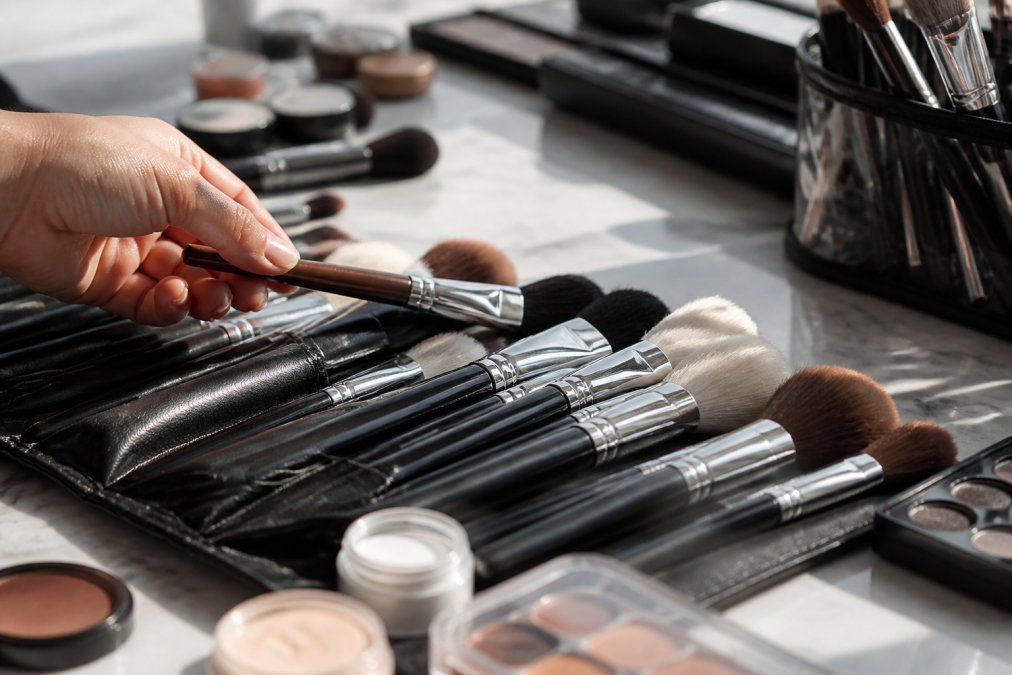
Bristle density and softness are the first things to evaluate. Run your finger across the bristles, they should feel soft but not floppy, with enough density that you feel resistance when pressing gently. Quality brushes have tapered, split ends that create a soft edge. Blunt-cut bristles indicate cost-cutting and feel harsh on skin.
Check the ferrule (the metal part holding the bristles) for security. Gently tug on the bristles, they shouldn't move or feel loose. Look at how bristles are set into the ferrule; quality brushes have bristles distributed evenly, not clumped to one side.
The handle should feel balanced and comfortable in your hand during application. A handle that's uncomfortable during a brief hold will feel exhausting after 30 minutes of work. Check the finish for splinters or rough spots.
Shedding is the ultimate test of quality. A new brush might shed a few bristles, that's normal. But consistent shedding after the first week indicates a loose ferrule or improper bristle setting.
Ask other professionals what they use. Word-of-mouth recommendations from people doing the same work are more valuable than marketing claims.
Building Your Professional Kit: A Practical Approach
You don't need 50 brushes. A lean, thoughtfully chosen kit outperforms a bloated collection every time.
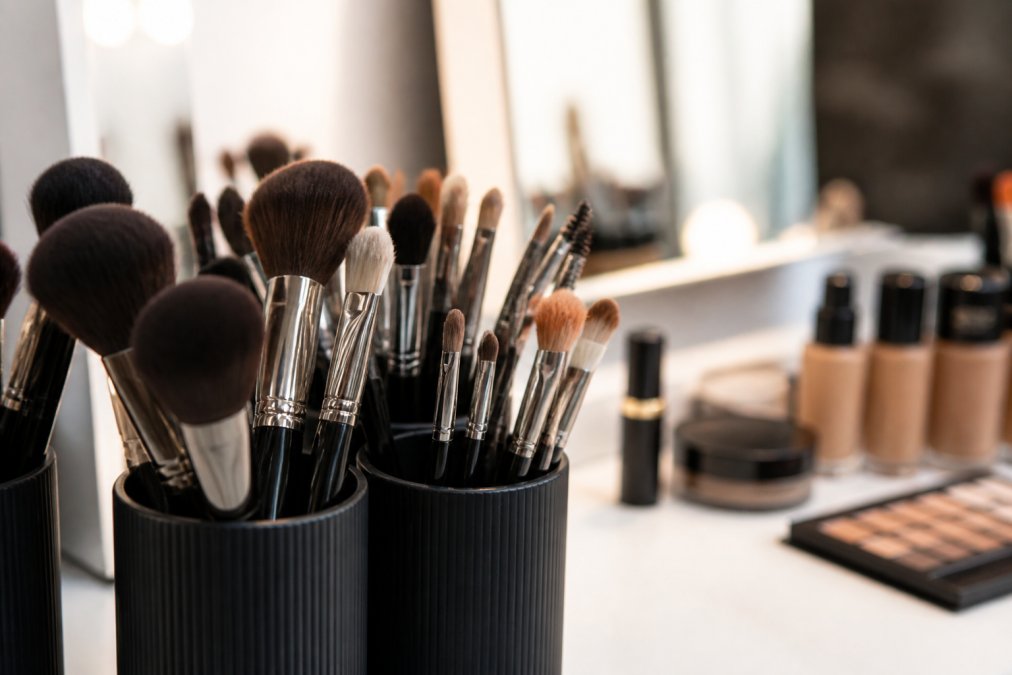
Start with the essentials: one foundation brush, one powder brush, one blending brush, one shader brush, one detail brush, and one lip brush. These six brushes cover the vast majority of makeup applications. As your skills develop and client base grows, add brushes that address specific techniques you use regularly.
Quality matters more than quantity. One excellent brush outperforms three mediocre ones. A professional kit of 10-15 quality brushes serves you better than a set of 30 cheap brushes gathering dust.
| Brush Type | Primary Use | When to Add to Kit |
|---|---|---|
| Foundation brush | Base application | Essential, start here |
| Powder brush | Setting and contour | Essential, start here |
| Blending brush | Eyeshadow blending | Essential, start here |
| Shader brush | Colour placement | Essential, start here |
| Detail brush | Precise work and lining | Essential, start here |
| Lip brush | Lip colour application | Essential, start here |
| Contour brush | Sculpting and definition | Add early |
| Brow brush | Brow filling | Add early |
| Concealer brush | Concealer application | Add as needed |
| Angled brush | Multiple uses | Add as skills develop |
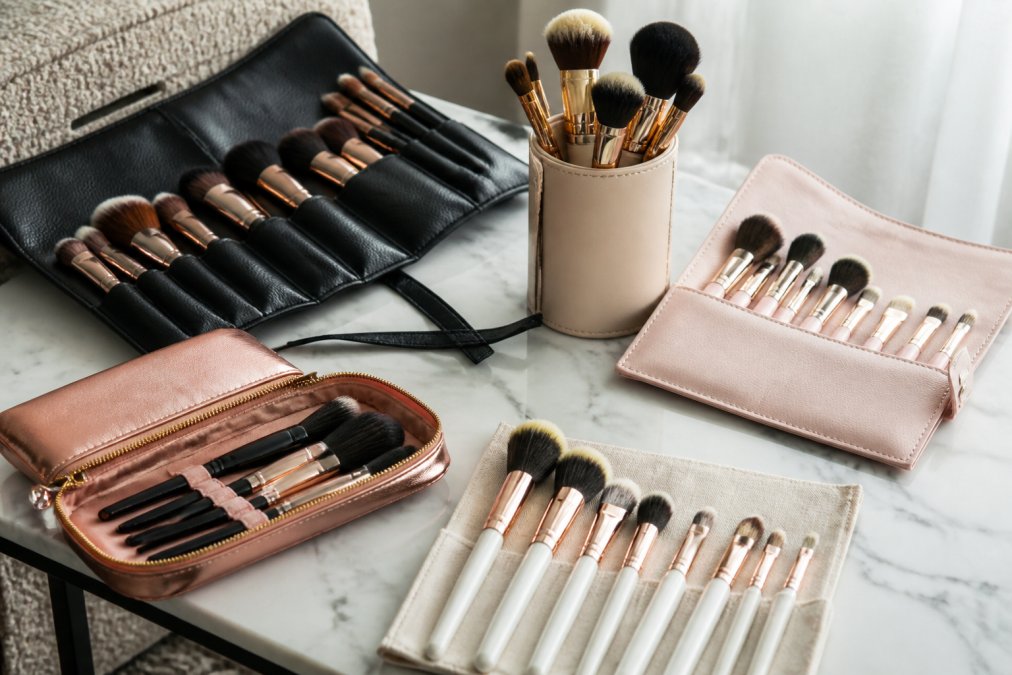
Invest in a brush holder or case that protects your tools and keeps them organised. If you're working on multiple clients daily, you need enough brushes to allow proper cleaning and drying cycles. Build gradually, adding brushes as you identify gaps in your current kit or as your techniques evolve.
Building a professional makeup kit is an investment in your craft. The right brushes don't just make application easier, they elevate the quality of every look you create, whether you're working on clients or perfecting your own technique. Girl Meets Brush offers expertly crafted brushes designed for precision and durability. Explore our collection and discover why professionals trust brushes designed for flawless, professional-grade results every time.
Frequently Asked Questions
What are the most essential brushes for a professional makeup kit?
A professional makeup kit should include foundation brushes for base application, powder brushes for setting, blending brushes for eyeshadow work, and detail brushes for precision. You'll also want lip and brow brushes for finishing touches. Start with these core brushes before expanding your collection, quality matters more than quantity when building essential brushes for professional makeup.
How do you maintain professional makeup brushes to ensure longevity?
Regular cleaning is crucial for brush longevity. Clean brushes after every use with a gentle cleanser and lukewarm water, working the solution through the bristles carefully. Allow brushes to dry flat or handle-down to prevent water from damaging the ferrule. Deep cleaning once weekly keeps your brushes in peak condition. Proper storage away from direct heat and sunlight also extends their lifespan significantly.
What is the difference between natural and synthetic makeup brushes?
Natural hair brushes (typically goat, sable, or squirrel) hold powder products beautifully and offer a soft feel, making them ideal for blending and setting powder. Synthetic brushes work better with liquid and cream products, don't absorb moisture, and are easier to clean. Many professionals use both types, synthetic for foundation and cream products, natural for powder applications. Your choice depends on the products you primarily use.
How many brushes do you actually need in a professional makeup kit?
You can create professional results with 8-12 essential brushes covering foundation, powder, blending, eyeshadow, and detail work. Rather than buying large sets with redundant brushes, invest in fewer high-quality brushes that perform specific functions well. As you gain experience, you'll identify gaps and add specialist brushes for techniques like contouring or highlighting that suit your style.
How should you sanitise professional makeup brushes between clients?
Between clients, use a professional brush cleaner spray or antibacterial solution to sanitise bristles quickly. Wipe the brush on a clean cloth to remove product and bacteria. For thorough sanitisation, wash brushes with hot water and antibacterial soap, then allow them to dry completely before the next use. This prevents cross-contamination and maintains hygiene standards essential for professional makeup artistry.
Why should I invest in professional-grade brushes instead of budget alternatives?
Professional-grade brushes deliver superior application, durability, and client results. They hold their shape longer, don't shed bristles into makeup, and provide better control for precision work. Budget brushes often deteriorate within months, creating frustration and requiring replacement. Quality brushes are a worthwhile investment that pays dividends through improved technique, client satisfaction, and long-term value.
This article was written using GrandRanker