 listicle
Are Professional Makeup Palettes Worth It for Students?
Table of Contents
- What Makes Professional Makeup Palettes Different?
- High-Street vs Professional Makeup Quality: The Real Differences
- Building Your Essential Makeup Kit for Students
- Are Professional Makeup Palettes Worth It? Verdict by Student Type
- How to Depot Makeup Palettes (and Why It Matters for Students)
- What to Look For When Choosing a Professional Palette
- Conclusion
Last Updated: 22 August 2026
What Makes Professional Makeup Palettes Different?
Professional makeup palettes are eyeshadow, contour, or complexion products formulated to meet the demands of working artists rather than casual weekend use. The core difference comes down to pigment concentration, consistency across shades, and how the product behaves under professional conditions: long days, varied lighting, and multiple clients.
At Girl Meets Brush, founded by celebrity make-up artist Lynne Mills, we see this question come up constantly from students and beauty enthusiasts alike. Are professional makeup palettes worth it, or is it just clever marketing? The honest answer depends entirely on what you need them to do.
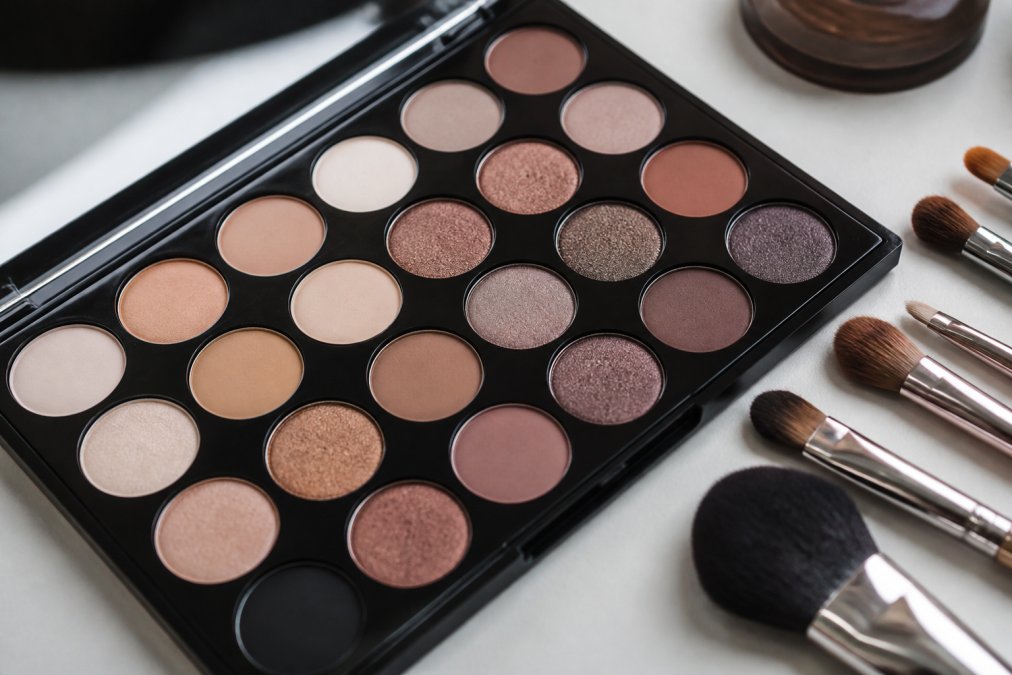
Professional palettes tend to be formulated for repeatability. A working artist needs every shade to perform the same way on a Tuesday afternoon as it did on a Saturday morning shoot. High-street products are often formulated for one-off consumer use, where slight variation in pigment payoff is barely noticeable. For a student learning technique, that inconsistency can actually make it harder to understand what you're doing wrong, because the product itself becomes a variable.
The other big difference is pan size and shade curation. Professional palettes typically offer larger individual pans, which matters when you're loading a brush repeatedly. The shade selection also tends to be more intentional, built around what actually works in practice rather than what photographs well in a marketing campaign.
High-Street vs Professional Makeup Quality: The Real Differences
This is where most guides get it wrong. The conversation about high-street vs professional makeup quality usually collapses into "expensive is better," which isn't quite right. The real question is: better for what?
Pigmentation and Blendability
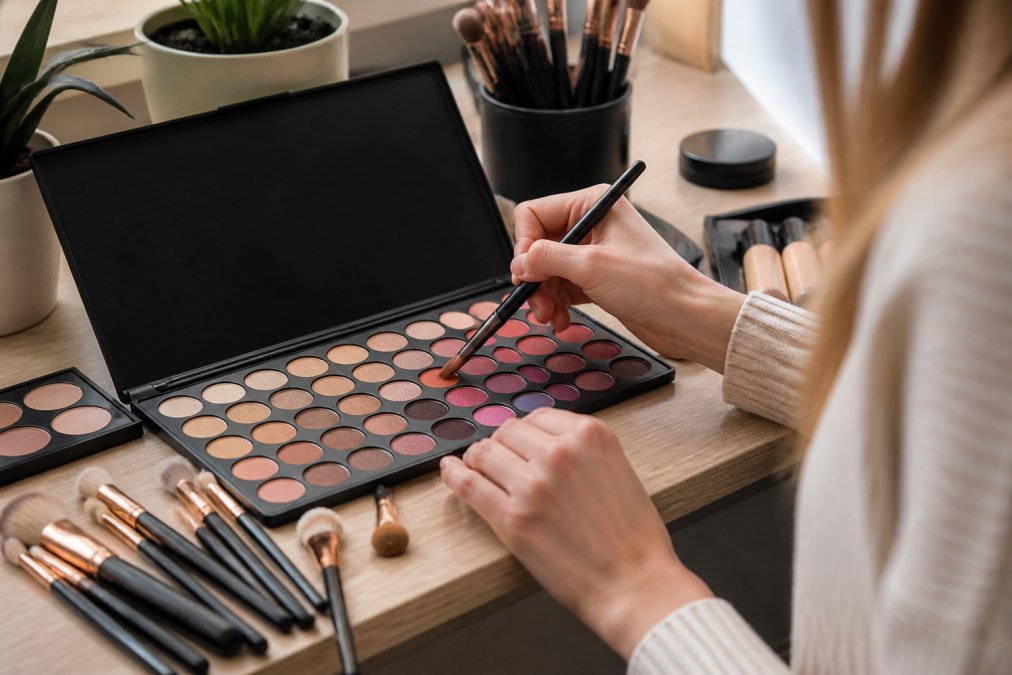
Pigmentation is the most obvious difference between high-street and professional makeup quality. Professional-grade eyeshadows are formulated with a higher concentration of colour pigments, which means you need less product to achieve the same result. That's not just about intensity. It also means more control, because you can build colour gradually without fighting the formula.
Blendability is equally important, and it's where budget products often fall short. Many affordable palettes have a powdery, loose texture that creates fallout and makes seamless transitions between shades genuinely difficult. For a student trying to learn blending technique, a product that fights you at every step makes the learning curve steeper than it needs to be.
That said, some high-street options perform surprisingly well. The NYX Professional Makeup Ultimate Shadow Palette in Warm Neutrals, priced at £16, offers decent pigmentation and blendability for darker shades, though lighter transition shades can require more layering. For a student on a tight budget, it's a reasonable starting point for practising technique.
The VIEVE Essential Palette sits at a mid-to-higher price point of £43 and delivers genuinely buttery, blendable performance across its ten shades. The formula is consistent, which matters when you're trying to understand how eyeshadow is supposed to behave.
Longevity and Hygiene Standards
Longevity in this context means two things: how long the product lasts on the face, and how long the palette itself holds up with regular use.
Professional formulations tend to have better wear-time, partly because of how they're milled and partly because they're designed to work in conditions where touch-ups aren't always possible. According to guidance from HABIA, the UK's hair and beauty industry authority, hygiene standards in professional practice require products that can be used safely across multiple clients, which influences how professional palettes are formulated and packaged.
For students training towards professional work, hygiene is a practical concern from day one. Professional palettes often have removable pans, which makes sanitising between uses far more straightforward. High-street palettes, by contrast, are usually fixed into their packaging, which creates real hygiene challenges in a training environment.
Building Your Essential Makeup Kit for Students
An essential makeup kit for students doesn't need to be the most expensive kit in the room. It needs to be functional, hygienic, and versatile enough to practise a range of techniques.
What to Prioritise When You're on a Budget
The biggest mistake students make is buying too many products too soon. A small collection of well-chosen, reliable pieces will teach you more than a sprawling kit full of inconsistent performers.
Here's a practical framework for building your essential makeup kit on a student budget:
| Priority | Product Type | What to Look For | Why It Matters |
|---|---|---|---|
| First | Neutral eyeshadow palette | Consistent pigmentation, blendable formula | Covers most looks; teaches core technique |
| Second | Quality brushes | Dense, non-shedding bristles | Technique depends on tools as much as product |
| Third | Face and complexion basics | Versatile shades for varied skin tones | Essential for working on others |
| Fourth | Specialist palettes | Colour, editorial, or effects | Add once fundamentals are solid |
The MUA Makeup Academy Complete Make-Up Kit at £99 offers a comprehensive starting point covering face, lips, and eyes in a travel-friendly bag. For students who need everything at once without sourcing individual pieces, it's a practical option.
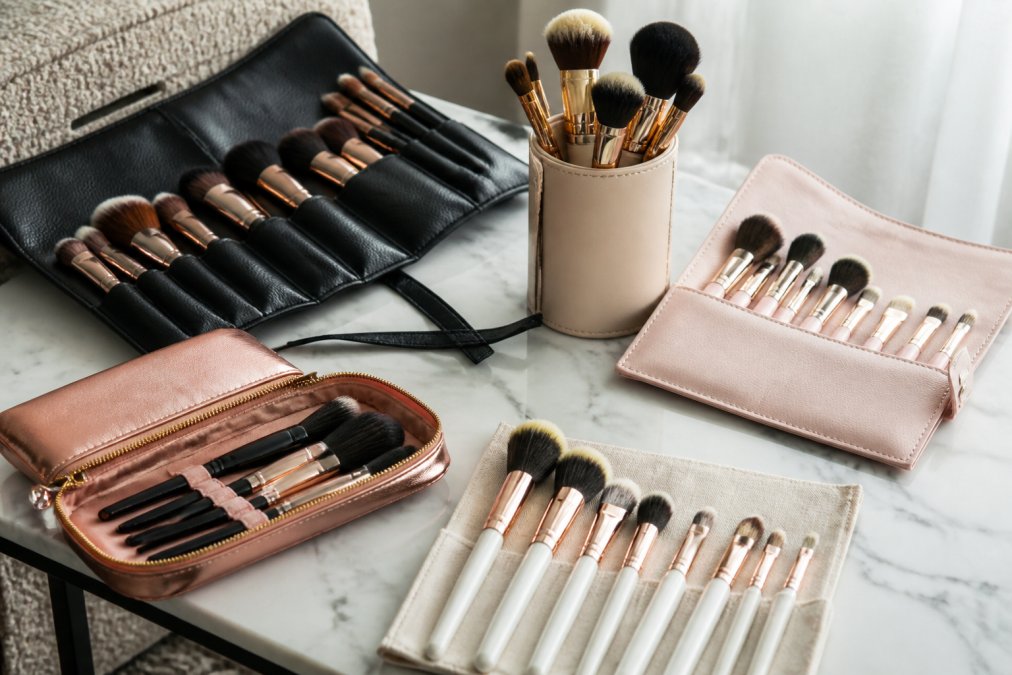
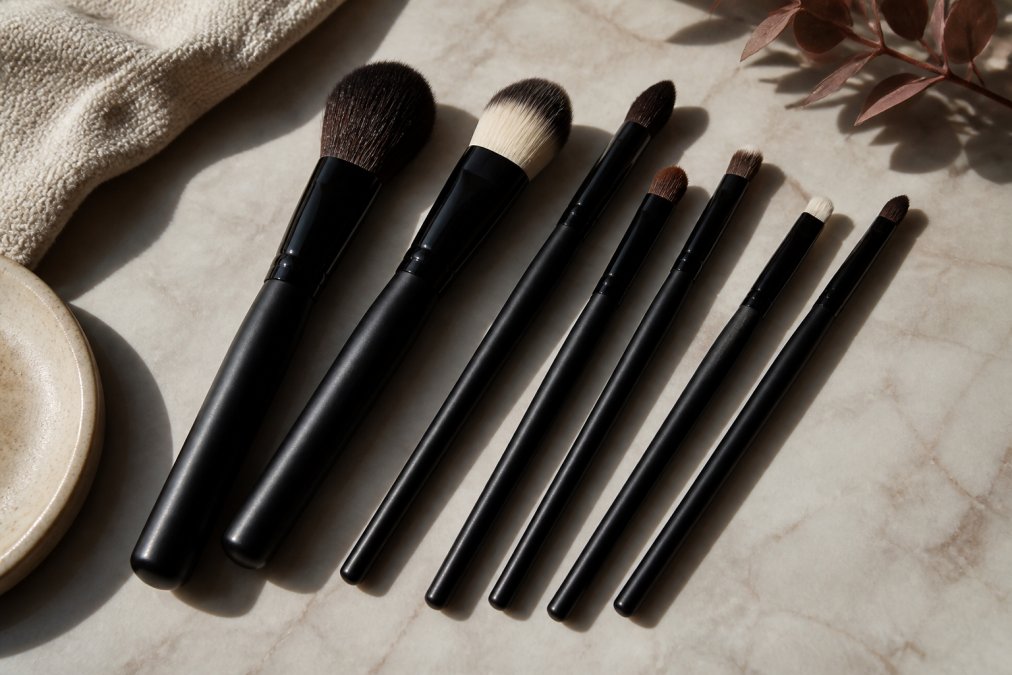
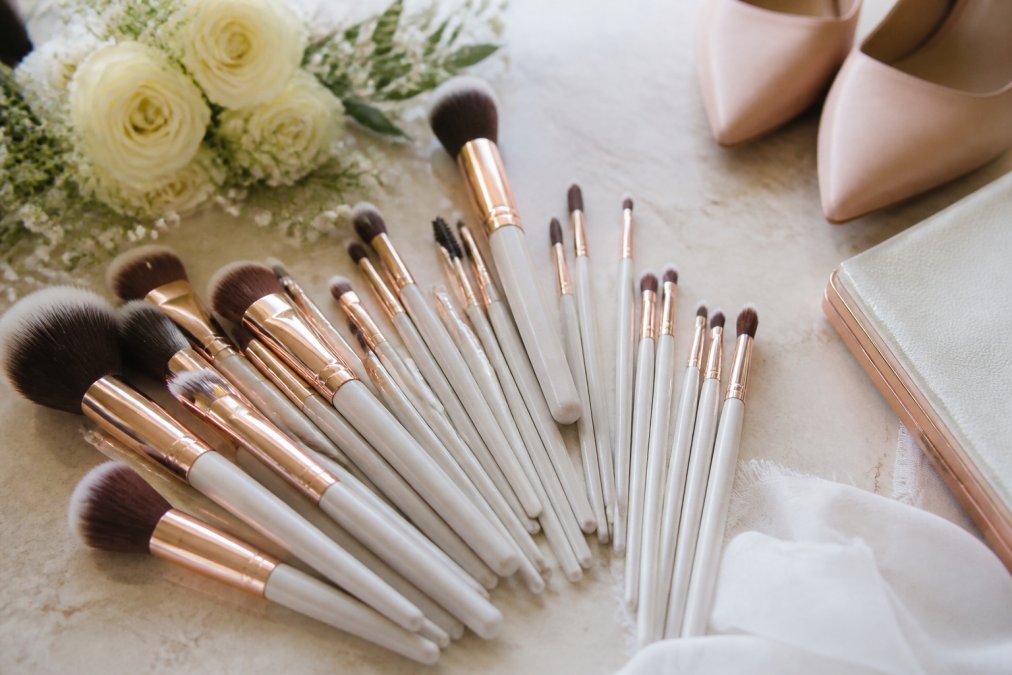
For brushes specifically, this is genuinely the area where quality pays dividends fastest. A well-made brush set will outlast several cheaper alternatives and, more importantly, will help you understand what good application actually feels like. Girl Meets Brush offers precision-designed brushes built for professional results, with tools suitable for both training environments and personal use.
Are Professional Makeup Palettes Worth It? Verdict by Student Type
Professional makeup palettes are worth it for students, but the answer changes significantly depending on where you are in your training and what you plan to do with the skills.
For Beginners and Hobbyists
For beginners doing their own make-up at weekends or experimenting with looks for fun, the honest verdict is: you don't need to invest in professional makeup palettes straight away.
A well-chosen mid-range palette, such as the Anastasia Beverly Hills Soft Glam at £46, gives you excellent pigmentation and blendability without the full professional price tag. The Revolution Pro Regeneration Palette at £8 is a surprisingly capable option for experimenting with colour and building confidence with matte shades, though some fallout is worth anticipating.
What most guides miss here is that beginners actually benefit from some forgiveness in a formula. A product that's slightly easier to blend, even if less pigmented, can make early learning feel less frustrating.
For Aspiring Professional Artists
This is where the calculus shifts. If you're training towards professional work, working on clients, or building a portfolio, professional makeup palettes become a genuine investment rather than an indulgence.
The MAC Art Library Nude Model Palette at £48 is a strong example of professional-level performance: the mattes are pigmented, blend well, and hold up without primer. For an aspiring artist, working with products that behave consistently teaches you what to expect when you eventually move to full professional kit.
A common mistake among aspiring artists is waiting until they "feel professional" before investing in professional tools. The reality is that professional tools help you get there faster, because they remove product inconsistency from the equation.
The Creative Industries Federation's guidance on creative training investment makes the case that investing in quality tools during training correlates with stronger professional outcomes, a principle that applies directly to make-up artistry.
For students at this stage, Girl Meets Brush offers palettes designed by Lynne Mills specifically for professional results, alongside an Online Make-Up Academy where training and product knowledge work together. That combination of quality product and structured learning is genuinely rare.
How to Depot Makeup Palettes (and Why It Matters for Students)
Depotting makeup palettes means removing individual eyeshadow pans from their original packaging and placing them into a magnetic palette organiser. For students, this is one of the most practical skills you can learn early.
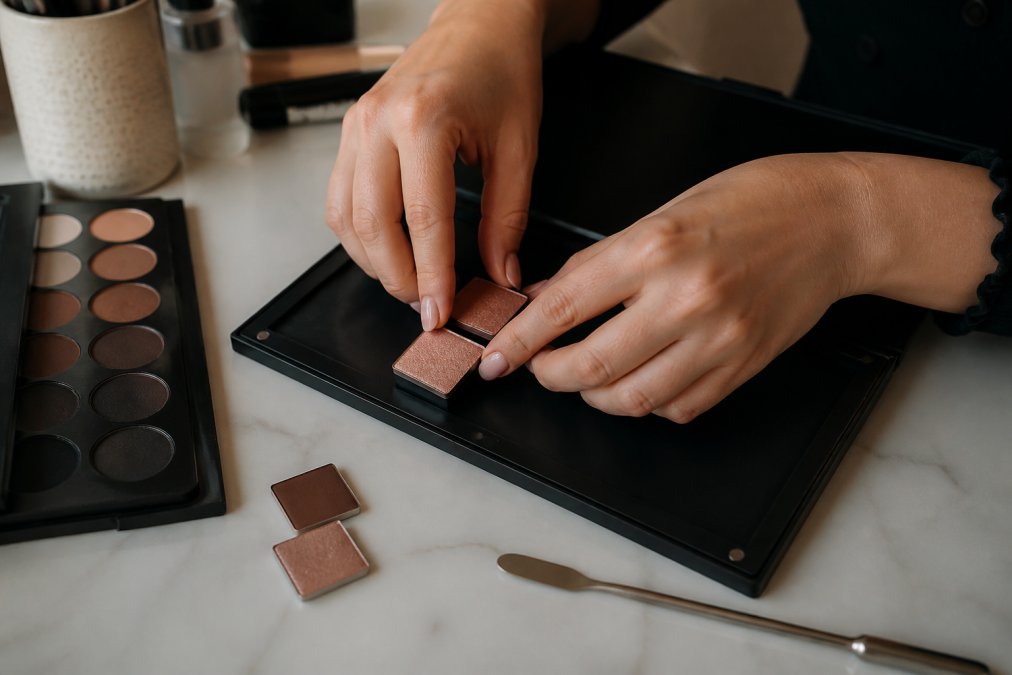
The reason it matters comes down to hygiene, organisation, and cost. Once you can depot makeup palettes, you're no longer tied to buying entire palettes when you only need specific shades. You can build a fully customised kit with exactly the colours you use most, which is far more practical for professional work.
Here's a straightforward approach to depotting:
- Gently warm the back of the palette with a hair dryer on a low setting for 20-30 seconds. This softens the adhesive holding the pan in place.
- Use a thin spatula or palette knife to ease under the pan from the back.
- Lift the pan out carefully. Avoid pressing down on the eyeshadow surface.
- Clean any residue from the pan with a cotton bud.
- Place the pan into a magnetic palette and press firmly to secure.
- Label your palette if you're working with multiple shades from different sources.
From a hygiene perspective, depotted pans in a magnetic palette are much easier to clean around and organise for client work. The HABIA professional hygiene standards for make-up artists recommend clear systems for product organisation and cross-contamination prevention, and a well-organised depot palette supports both.
What to Look For When Choosing a Professional Palette
Choosing a professional palette well is a skill in itself. Many students focus entirely on shade range and overlook the factors that actually determine whether a palette works in professional practice.
Formula consistency: Every shade in the palette should perform at a similar level. A palette with two outstanding shades and six mediocre ones is a frustrating professional tool, even if the marketing looks impressive.
Pan size: Larger pans allow you to load a brush multiple times without disturbing the surrounding shades. This matters more than it sounds when you're working quickly.
Packaging durability: A palette that cracks or loses its closure after a few months is a liability in a professional kit. Look for sturdy hinges, secure closures, and packaging that travels well.
Shade curation: The best professional palettes are built around what actually works in practice. A strong neutral palette with well-chosen transition shades, mid-tones, and depths will serve you across far more looks than a visually exciting palette with shades that are difficult to use.
Hygiene compatibility: Can the palette be easily cleaned around? Are the pans removable for depotting? These questions matter more as you move towards working on clients.
A useful framework for evaluating any palette is to ask: does this product make my technique better, or does it compensate for a lack of technique? The best professional palettes do the former. They reward skill rather than hiding its absence.
According to the Cosmetic, Toiletry and Perfumery Association's UK market guidance, product quality in the professional beauty sector is increasingly scrutinised by both educators and practitioners, which reflects a broader shift towards evidence-based purchasing decisions in training environments.
| Factor | Why It Matters | Red Flag |
|---|---|---|
| Formula consistency | Predictable performance across all shades | Wide variation in pigment payoff between pans |
| Pan size | Efficient product loading for professional use | Very small pans that deplete quickly |
| Packaging durability | Survives regular travel and daily use | Flimsy hinges or loose closure |
| Shade curation | Covers a broad range of looks efficiently | Shades chosen for visual impact over practicality |
| Hygiene compatibility | Supports professional standards | Fixed pans with no depotting option |
Building a professional makeup kit is a long game, not a single purchase. The most important thing a student can do is invest thoughtfully in a few genuinely good pieces rather than accumulating a large collection of inconsistent products. For aspiring professional artists, professional makeup palettes are absolutely worth it, and the sooner you start working with products that behave consistently, the faster your technique will develop. For hobbyists and beginners, a quality mid-range palette paired with excellent brushes will take you further than any single expensive product. Girl Meets Brush offers both the tools and the training to support that progression, from precision brushes designed for professional results to an Online Make-Up Academy built around real artistry skills. Visit Our Shop Here to explore the full range.
Frequently Asked Questions
What is the difference between consumer and professional makeup palettes?
Professional makeup palettes are formulated to higher pigmentation standards, blend more smoothly, and hold up under studio lighting and long working days. Consumer palettes are designed for occasional personal use and often have softer pigmentation. The practical difference shows most clearly when you're working on multiple clients or need consistent colour payoff across different skin tones, professional palettes perform reliably in those situations where consumer options can fall short.
Do makeup students really need expensive palettes to succeed?
Not from day one. Many students start with mid-range palettes to build technique, then invest in professional makeup palettes as their skills develop. What matters early on is learning to blend, layer, and colour-match, skills that don't require the most expensive kit. That said, once you're working on real clients or sitting assessments, professional-grade pigmentation and blendability make a noticeable difference to the finish you can achieve.
How do professional-grade pigments compare to high-street brands?
Professional-grade pigments are typically more concentrated, which means better colour payoff with less product and fewer layers. High-street palettes can be excellent for personal use, but some shades, particularly lighter mattes and mid-tone transitions, can appear patchy or require heavier application. For students building a professional portfolio or working on clients, the consistency of professional pigments saves time and produces a cleaner result.
What are the essential items to include in a student makeup kit?
A solid essential makeup kit for students should cover the basics: a versatile neutral eyeshadow palette, foundation in a range of shades, a good concealer, blush, bronzer, setting powder, and a reliable set of brushes. Hygiene essentials, brush cleaner, disposable applicators, and a palette knife, are just as important for professional training. Build gradually rather than buying everything at once, and invest most in the tools you'll use on every single look.
What is depotting and should students bother with it?
Depotting means removing individual eyeshadow pans from their original packaging and placing them into a magnetic palette. For students, it's a practical way to build a custom kit without buying multiple full palettes. You end up with only the shades you actually use, in one organised case that's easy to work from. It takes a little practice to do without breaking the pans, but once you've got the technique, it's a genuinely useful skill for keeping your kit compact and professional.
This article was written using GrandRanker